What was once limited to tidy rooms and minimal decor has transformed into something much more impactful. In 2025, simplifying life has taken on a new form—a blend of environmental mindfulness and purposeful consumption known as intentional living. This lifestyle trend combines eco-aware choices with minimalist principles, shifting focus from just having less to living with clarity, care, and conscience.
This movement isn’t about deprivation. It’s about being thoughtful: Who made this product? Can it be reused again and again? Will it stand the test of time? As people reconsider their shopping patterns and the planet’s future, they’re embracing the harmony of owning less while living more deliberately.
How It Moves Beyond Minimalism
While traditional minimalism encourages reducing possessions to the essentials, intentional living adds depth through reflection and responsibility. It’s about more than emptying your drawers—it’s about questioning what enters your space in the first place.
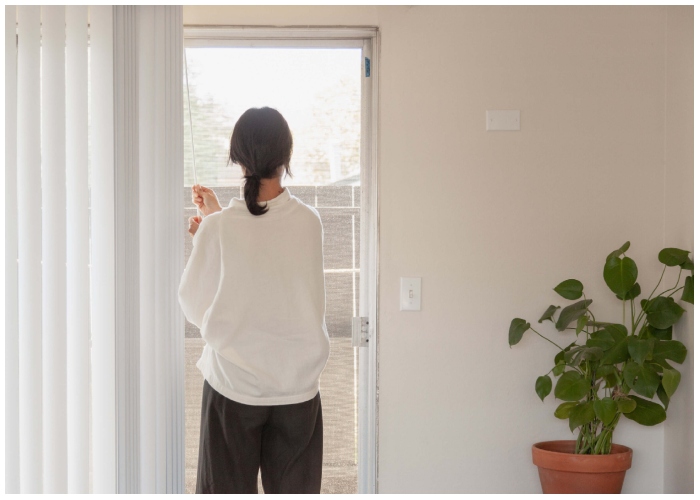
Conscious living emphasizes sustainability and functionality. Rather than purging just to feel organized, this mindset encourages proactive, ethical buying. It asks us to pick products that last, create less waste, and serve multiple uses.
Core Values of Intentional Living
- Durability Over Quantity – Buy less, but better. Trade mass-produced items for well-made goods that hold up over time.
- Versatility is Key – Prioritize things that can serve more than one function—a convertible table, a multi-use blender, or clothing that transitions easily between settings.
- Quality Over Speed – Avoid items that break down quickly. Choose craftsmanship and reliable materials, especially when it comes to home and wardrobe staples.
- Sustainable Cycles – Favor items that can be composted, reused, refilled, or responsibly recycled. From beauty products to storage containers, the goal is longevity and minimal landfill impact.
- Simple Shifts for Everyday Life
- Tech Streamlining Replace multiple electronics with a single device that serves as your timer, journal, and entertainment hub.
- Eco-Friendly Cleaning Habits Opt for natural cleaning kits that use reusable bottles and safe, non-toxic ingredients.
- Conscious Closets Embrace a smaller, curated wardrobe of classic styles in eco-friendly fabrics like organic linen or reclaimed textiles.
- Sustainable Kitchen Choices Store leftovers in glass jars, and use cloth covers or wax-based wraps instead of disposable plastics.
- Green Personal Care Use bar soaps, refillable skincare bottles, and biodegradable grooming tools to cut back on packaging waste.
Why It’s Trending in 2025
Several forces are pushing this lifestyle into the spotlight:
- Younger generations are prioritizing environmental ethics over consumerism.
- Rising costs are making thoughtful purchasing more practical and appealing.
- Social platforms now celebrate minimal living challenges and swaps instead of buying sprees.
- Online communities and mobile apps offer support and tools for tracking consumption and living lighter.
Supportive Resources and Brands
- Return-and-Reuse Initiatives Innovative companies now offer packaging that can be returned for cleaning and reuse.
- Eco-Conscious Fashion Brands like Kotn and Pact are gaining popularity for their commitment to sustainable materials and transparent supply chains.
- Secondhand Marketplaces Apps such as ThredUp and Curtsy are transforming resale into a normalized part of everyday shopping.
- Digital Inventory Systems Notion templates and other tools help individuals track what they own, avoid doubling up, and stay organized.
What Makes It Worthwhile
- Lower Impact: Fewer, smarter purchases mean less waste and reduced use of natural resources.
- Mental Space: Minimal, organized environments create room for peace and focus.
- More Freedom: Owning less leads to fewer chores and more free time.
- Long-Term Savings: Durable goods reduce the need for constant replacements.
- Authentic Alignment: Living in sync with personal ethics and global sustainability goals brings greater fulfillment.
Choosing to live intentionally in 2025 doesn’t mean giving up comfort or beauty. It means being selective and aware—finding joy in well-made items and routines that reflect your deeper values.
So the next time you reach for something new, pause and consider: Is this useful? Is it ethical? Will it endure? That small moment of thought is what makes this way of life both powerful and lasting—a gentle revolution rooted in wisdom, care, and purpose.