In recent times, emotional well-being has shifted from being a reactive fix to a proactive priority. No longer just a safety net after burnout, mental wellness in 2025 is all about daily emotional strength training. It’s the quiet routines—those small daily check-ins, boundaries, and breathing exercises—that are helping people feel centered and stable in today’s fast-paced world.
Much like a consistent fitness plan helps you build physical endurance, emotional stability comes from consistent internal care—not crisis management.
The New Definition of Strength
Gone are the days when mental toughness was about stoicism. Today, it’s about staying calm amid life’s chaos, managing emotions before they boil over, and building the emotional tools to bounce back from stressors.
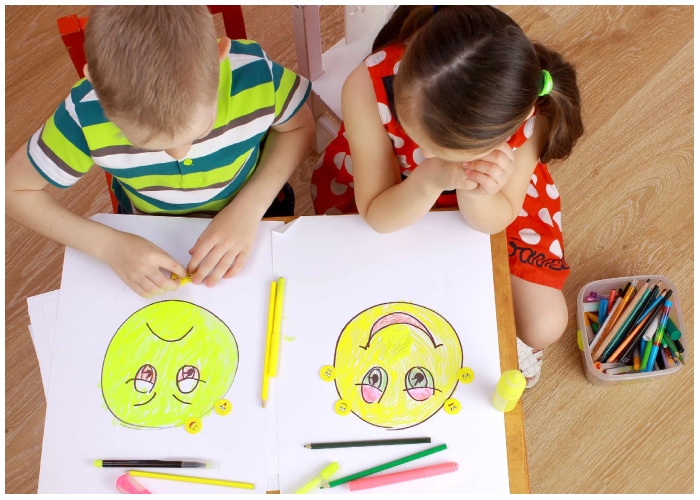
Instead of reacting, people are choosing to respond—with clarity, compassion, and control. From saying no to emotional overload to allowing space for uncomfortable feelings, the emotional strength movement embraces mindfulness over rigidity.
What’s Fueling the Rise of Emotional Fitness?
This cultural shift is being driven by:
- Exhaustion from overworking: Many have reached their limits after years of hustle culture and constant pressure.
- Mental wellness tech: Smartphone apps now help users monitor emotions and form consistent well-being habits.
- Wider access to emotional education: School systems and workplaces are teaching emotional regulation from an early age.
These forces are making emotional care a respected and necessary part of modern living—not a luxury or weakness.
Key Elements of Emotional Endurance
- Awareness: Paying attention to your inner world without rushing to judgment allows for thoughtful responses rather than reactive behaviors.
- Soothing techniques: Short practices like breathing exercises, body scans, or five-minute journaling help release tension and re-center.
- Kind inner voice: Speaking to yourself with empathy—especially when struggling—builds confidence and internal calm.
- Boundaries: Setting clear lines around your time and energy supports sustainability and prevents emotional burnout.
- Empathy and understanding: Tuning into other people’s emotions enhances communication and reduces misunderstandings.
Small Daily Habits That Make a Big Impact
You don’t need a long morning routine or a guided meditation retreat. These simple rituals keep emotional tension in check:
- Emotional pulse check: Ask yourself throughout the day, “How do I actually feel right now?”
- Sunrise journaling: Just a few lines in the morning can align your mindset and clarify what matters.
- Evening mental rewind: Take a moment before bed to recall how you responded to a challenge or supported yourself well.
- Naming emotions: Label your feelings (“I’m nervous,” “I’m excited”) to reduce overwhelm and boost clarity.
- Gratitude snapshot: End the day with one sentence about something that made you smile or feel grounded.
Therapy Complements, Not Replaces
Think of emotional fitness as a daily habit that supports—not substitutes—therapy. Licensed professionals are still essential for deeper healing and trauma processing. But regular self-care helps maintain your progress and build confidence in your own coping strategies.
Digital Tools for Emotional Well-Being in 2025
- Apps like CalmSync, MoodPulse, or FocusFlow help users form emotional awareness habits
- Online coaching communities or peer groups
- Awareness campaigns like #MindStrong and #PauseToPower encourage public conversations on emotional self-care
The rise of emotional fitness in 2025 signals a turning point: self-care is no longer reactive—it’s strategic. Instead of waiting for breakdowns, people are tuning into their feelings proactively, one mindful moment at a time. You don’t need fancy gear or hours of spare time to build emotional stamina. All it takes is consistent attention, small pauses, and a willingness to check in with yourself.
In an age of constant noise and motion, choosing to ground yourself through everyday emotional rituals might just be the most radical act of well-being there is.